
Arthur Mikaelian, PhD, is a Los Angeles-based biotechnologist and entrepreneur whose research into regenerative medicine and peptide-based therapies has informed advances in hair restoration science. Holding a doctorate in biological neuropsychology, Dr. Mikaelian has founded multiple research-driven organizations focused on therapeutic innovations, peptide-derived treatments, and tissue rejuvenation methods that restore tissue and improve cellular repair at a molecular level. As CEO and founder of a biotechnology firm, he develops peptide-based therapies derived from Caribbean scorpion venom and applies patented polarization technology to enhance the potency of active compounds used in regenerative and anti-aging research. His work spans oncology, virology, and hair restoration research, merging scientific precision with humanitarian goals to advance next-generation therapeutic technologies.
Hair-loss treatment may involve medication, medical devices, injections, procedures, surgery, or management of an underlying condition. The goal may be to slow further loss, promote regrowth, reduce inflammation, or improve visible density. Results depend heavily on the cause of hair loss and whether the affected follicles remain capable of producing hair.
Topical minoxidil is a commonly used first-line treatment for androgenetic, or pattern, hair loss. It is available without a prescription in liquid and foam formulations and is applied directly to the scalp. Its exact mechanism is not fully understood, but it may affect follicle activity and prolong the hair-growth phase.
Improvement generally takes several months, varies among patients, and usually lasts only while treatment continues. Scalp irritation, unwanted hair growth, and temporary increased shedding can occur.
Low-level light therapy and finasteride may be considered for androgenetic alopecia. Some home and clinical light devices are FDA-cleared for specific patterns of hair loss, although results vary and continued use may be needed.
Finasteride is a prescription 5-alpha-reductase inhibitor that lowers DHT and can slow hair loss or promote regrowth in many men with male-pattern hair loss. However, it is not approved for female pattern hair loss, particularly during pregnancy, because of potential risks.
Microneedling with exosome therapy and hair growth supplements are additional approaches that may support hair restoration. Microneedling involves creating tiny, controlled microchannels in the scalp to stimulate the body’s natural healing response, and when combined with exosome-based products (exosome therapy is an emerging regenerative treatment under investigation), it may help support communication between cells and promote a healthier environment for hair follicles. Hair growth supplements, meanwhile, are designed to provide nutrients that support normal hair growth and may benefit individuals whose hair loss is linked to nutritional deficiencies.
Platelet-rich plasma therapy uses a concentrated portion of the patient’s own blood, which is processed and injected into areas of the scalp. After the blood is processed, the platelet-rich plasma is injected into targeted areas of the scalp with the goal of supporting hair follicle function and promoting hair growth. While PRP therapy may benefit certain individuals, results vary.
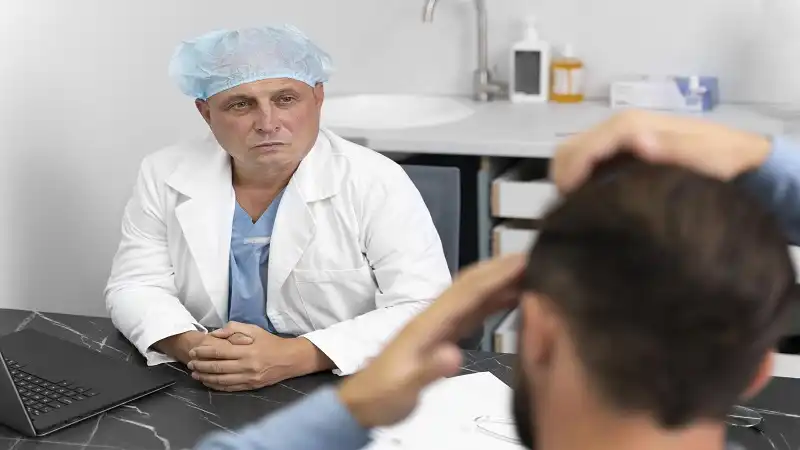
Hair-loss care should begin with an accurate diagnosis. A board-certified dermatologist may review how quickly the loss developed, examine the scalp and hair, assess medical conditions and medications, and ask about family history and hair-care practices. Physicians may run blood tests or a scalp biopsy when they suspect nutritional deficiency, hormone disorder, infection, autoimmune condition, or scarring.
Consulting a qualified hair specialist is an important first step in developing an effective hair restoration plan. Based on the initial evaluation, the provider recommends treatment options that align with the individual’s scalp condition, pattern of hair loss, medical history, and treatment goals. The treatment plan may be adjusted over time according to the individual’s progress and response to therapy.
Regular follow-up appointments help ensure the approach remains appropriate and effective.
Advances in hair restoration have expanded the range of options available for managing hair loss. From topical medications to regenerative therapies, treatment can be tailored to an individual’s needs and underlying condition. Working with a qualified hair restoration specialist to develop a personalized treatment plan can help optimize results and support healthier, fuller-looking hair over time.
About Arthur Mikaelian
Arthur Mikaelian, PhD, is a Los Angeles-based scientist and biotechnology entrepreneur specializing in regenerative medicine and peptide-based therapies. He holds a doctorate in biological neuropsychology and has founded multiple research organizations focused on therapeutic innovation, drug development, and tissue rejuvenation. As CEO of his biotechnology firm, he develops treatments derived from Caribbean scorpion venom and applies patented polarization technology to improve the potency of active compounds. Dr. Mikaelian’s patented work spans oncology, virology, and hair restoration research, reflecting decades of contributions to regenerative medicine and drug development. See more