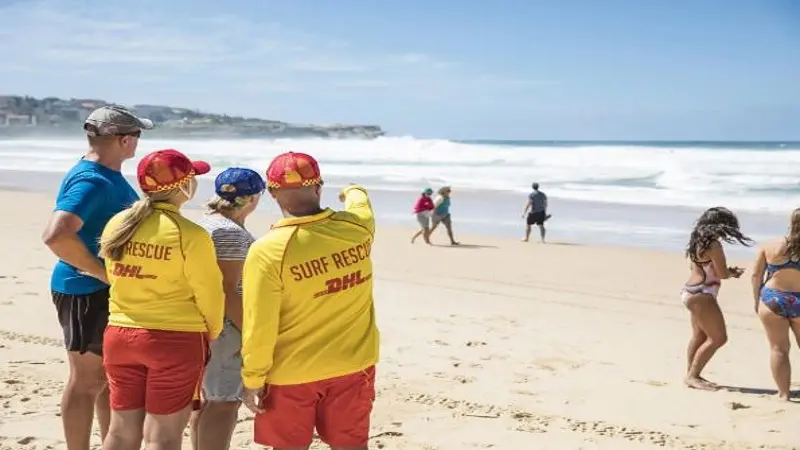
When people hear about life-saving organisations, attention naturally goes to the people working on the front line. They are the ones responding to emergencies, helping people in danger and providing assistance when minutes can matter. What is less visible is the network of training, equipment and community support that helps them do that work.
For people who regularly visit the coast, learning how your donation helps volunteer surf lifesavers is one example of looking beyond the rescue itself. Volunteers may give their time freely, but providing an effective service still requires resources. Similar challenges apply to many volunteer emergency and community organisations.
A small contribution can seem insignificant compared with the cost of specialist equipment or training. Yet these organisations often depend on support from large numbers of people. When individual contributions are combined, modest acts of generosity can become a valuable source of funding.
Volunteers need more than their time
A willingness to help is essential, but volunteers also need the right resources to perform their roles safely and effectively. Depending on the organisation, that can include protective clothing, first aid supplies, communication equipment and access to vehicles or other specialist resources.
Equipment also needs to be maintained and eventually replaced. A piece of safety equipment may be used repeatedly in demanding conditions, so purchasing it is only part of its lifetime cost.
Community support can help organisations meet these ongoing needs.
Training happens before an emergency
Effective emergency responses depend on preparation. Volunteers need opportunities to learn relevant skills, practise procedures and keep their knowledge current.
Much of this work happens quietly, long before anyone needs assistance. The public may only see the eventual response, but training behind the scenes can involve instructors, facilities, equipment and administrative coordination.
Supporting an organisation can therefore help maintain the preparation that allows volunteers to respond when something goes wrong.
Small contributions can add up
People sometimes hesitate to donate because they feel their contribution is too small to matter. Looking at an individual donation in isolation can create the wrong impression.
Imagine hundreds of people each contributing a manageable amount. Collectively, those donations can become enough to purchase supplies, support training, or contribute towards equipment.
Giving regularly is one option, but it is not the only way to help. Occasional donations, fundraising events and community campaigns can all contribute to a larger pool of support.
Choose sustainable support
Generosity should fit your own circumstances. Donating more than you can comfortably afford is unnecessary, and money is not the only way to contribute.
Some people volunteer their time, participate in fundraising activities, or encourage others to learn about an organisation’s work. Different forms of support can complement each other.
Life-saving work is highly visible when an emergency occurs, but the preparation behind it continues throughout the year. Equipment must be ready, skills need to stay current, and volunteers require ongoing support. Small acts of generosity help strengthen that foundation, allowing community organisations to be better prepared when people need them most. When people hear about life-saving organisations, attention naturally goes to the people working on the front line. They are the ones responding to emergencies, helping people in danger and providing assistance when minutes can matter. What is less visible is the network of training, equipment and community support that helps them do that work.
For people who regularly visit the coast, learning how your donation helps volunteer surf lifesavers is one example of looking beyond the rescue itself. Volunteers may give their time freely, but providing an effective service still requires resources. Similar challenges apply to many volunteer emergency and community organisations.
A small contribution can seem insignificant compared with the cost of specialist equipment or training. Yet these organisations often depend on support from large numbers of people. When individual contributions are combined, modest acts of generosity can become a valuable source of funding.
Volunteers need more than their time
A willingness to help is essential, but volunteers also need the right resources to perform their roles safely and effectively. Depending on the organisation, that can include protective clothing, first aid supplies, communication equipment and access to vehicles or other specialist resources.
Equipment also needs to be maintained and eventually replaced. A piece of safety equipment may be used repeatedly in demanding conditions, so purchasing it is only part of its lifetime cost.
Community support can help organisations meet these ongoing needs.
Training happens before an emergency
Effective emergency responses depend on preparation. Volunteers need opportunities to learn relevant skills, practise procedures and keep their knowledge current.
Much of this work happens quietly, long before anyone needs assistance. The public may only see the eventual response, but training behind the scenes can involve instructors, facilities, equipment and administrative coordination.
Supporting an organisation can therefore help maintain the preparation that allows volunteers to respond when something goes wrong.
Small contributions can add up
People sometimes hesitate to donate because they feel their contribution is too small to matter. Looking at an individual donation in isolation can create the wrong impression.
Imagine hundreds of people each contributing a manageable amount. Collectively, those donations can become enough to purchase supplies, support training, or contribute towards equipment.
Giving regularly is one option, but it is not the only way to help. Occasional donations, fundraising events, and community campaigns can all contribute to a larger pool of support.
Choose sustainable support
Generosity should fit your own circumstances. Donating more than you can comfortably afford is unnecessary, and money is not the only way to contribute.
Some people volunteer their time, participate in fundraising activities, or encourage others to learn about an organisation’s work. Different forms of support can complement each other.
Life-saving work is highly visible when an emergency occurs, but the preparation behind it continues throughout the year. Equipment must be ready, skills need to stay current, and volunteers require ongoing support. Small acts of generosity help strengthen that foundation, allowing community organisations to be better prepared when people need them most. See more