
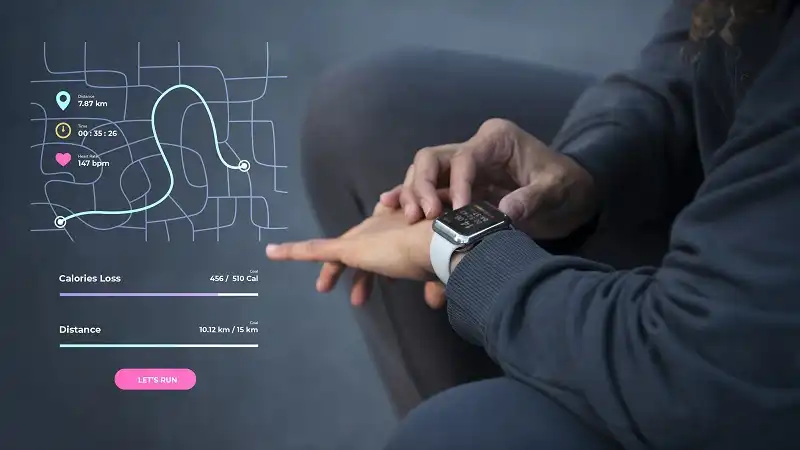
Technology is becoming an important part of everyday life. From smartphones and smart home devices to wireless headphones and fitness trackers, modern technology helps people stay connected, informed, and organized. One of the most interesting developments in this area is wearable technology. These devices are designed to be worn on the body and provide useful features that make daily activities easier.
Smartwatches, fitness bands, smart rings, and health-monitoring devices are becoming increasingly popular. They help users track physical activity, receive notifications, monitor sleep patterns, and access important information without constantly checking their smartphones. As technology continues to improve, wearable devices are becoming more advanced, comfortable, and practical.
The concept of wearable upgrade feedworldtech highlights the growing importance of improving wearable devices through better features, smarter software, improved connectivity, and user-friendly designs. Understanding these developments can help people make informed decisions when choosing wearable technology.
What Is Wearable Technology?
Wearable technology refers to electronic devices that people can wear as accessories or clothing. These devices usually contain sensors, processors, wireless connections, and software that allow them to perform different functions.
Unlike traditional electronic devices, wearables are designed to remain close to the user’s body. This makes them useful for collecting information about movement, activity, and certain health-related measurements.
Common examples of wearable technology include:
- Smartwatches: Devices that display notifications, track activities, and provide communication features.
- Fitness trackers: Wearable bands that monitor daily movement, exercise, and other activity measurements.
- Smart rings: Small devices that can track selected health and activity information.
- Smart glasses: Glasses that offer digital features such as notifications and hands-free assistance.
- Health-monitoring wearables: Devices designed to record specific health-related measurements.
These products serve different purposes, depending on their design and available features.
Why Are Wearable Devices Becoming Popular?
Wearable technology is becoming popular because it combines convenience with useful digital features. People often want quick access to information without carrying or checking multiple devices.
One major reason for its popularity is convenience. A smartwatch can display incoming notifications, show the time, and provide activity information directly from the wrist.
Another important reason is fitness awareness. Many wearable devices help users understand their daily activity levels. They can record steps, estimate exercise duration, and provide information about movement patterns.
Wearables are also useful for people who have busy schedules. Calendar reminders, alarms, and notification features can help users stay organized throughout the day.
Additionally, improvements in battery life, design, and connectivity have made modern wearable devices more practical for everyday use.
Major Features of Modern Wearable Devices
Wearable devices offer different features depending on their category and price. However, several functions are commonly available in modern products.
1. Health and Fitness Tracking
Health and fitness tracking is one of the most recognized features of wearable technology.
Many smartwatches and fitness bands include sensors that estimate heart rate, record physical activity, and monitor sleep patterns. Some devices also provide information about blood oxygen levels or other measurements.
These features can help users become more aware of their daily habits. However, consumer wearables are not replacements for professional medical equipment or medical advice.
2. Smart Notifications
Smart notifications allow users to receive selected smartphone alerts on their wearable devices.
For example, users may see incoming calls, text notifications, calendar reminders, and application alerts on a smartwatch. This can be helpful when a phone is stored in a bag or another room.
Most devices allow users to customize which notifications appear, helping reduce unnecessary interruptions.
3. GPS and Location Features
Some wearable devices include built-in GPS technology. This feature can record outdoor activity routes, estimate distances, and provide location-related information.
GPS can be particularly useful for people who enjoy walking, cycling, or running outdoors.
However, GPS availability and accuracy depend on the device, environment, and surrounding conditions.
4. Sleep Monitoring
Sleep tracking is another common feature in modern wearables.
Certain devices estimate sleep duration and identify different sleep stages using movement and other sensor information. Users can review these estimates to understand their general sleeping patterns.
Although sleep tracking can provide useful insights, its results should be treated as estimates rather than exact medical measurements.
5. Wireless Connectivity
Bluetooth and Wi-Fi allow wearable devices to communicate with smartphones and other compatible electronics.
Wireless connectivity makes it possible to synchronize activity information, receive notifications, update software, and access supported applications.
Some advanced devices also support cellular connectivity, allowing selected functions without a nearby smartphone.
The Importance of Software Updates
Hardware is only one part of wearable technology. Software also plays an important role in how well a device performs.
Manufacturers regularly introduce software updates to improve performance, fix technical problems, and provide additional features.
Updates may include improvements to the user interface, better battery management, stronger security, and improved compatibility with smartphones.
The idea behind wearable upgrade feedworldtech also reflects the importance of keeping wearable technology updated and useful as user needs change.
Users should check for official software updates and install them when appropriate. Keeping software current can improve reliability and help protect personal information.
How Artificial Intelligence Is Improving Wearables
Artificial intelligence is becoming an important part of modern technology, including wearable devices.
AI-powered features can analyze information collected by sensors and present it in a more understandable format.
For example, some fitness applications can examine activity patterns and provide suggestions for improving exercise routines. Other systems can identify changes in recorded patterns and offer general wellness insights.
AI can also improve voice assistants, notification management, and personalized recommendations.
However, AI-generated information is not always accurate. Users should understand that recommendations from wearable devices are general guidance and should not replace professional medical decisions.
Benefits of Upgrading Wearable Devices
Upgrading wearable technology can offer several advantages, especially when a newer model introduces meaningful improvements.
Better Performance
Newer wearable devices may include faster processors, improved sensors, and more responsive software. These improvements can make everyday interactions smoother.
Improved Battery Life
Battery technology and power-management systems continue to develop. Some newer devices offer longer usage times or more efficient charging features.
Actual battery performance depends on screen brightness, connectivity, applications, and sensor activity.
More Accurate Measurements
Modern sensors may provide improved estimates of activity and selected health-related measurements.
However, accuracy varies between products and measurement types. Users should compare specifications rather than assuming that every new device is automatically more accurate.
Enhanced Compatibility
Newer wearables may support updated smartphone operating systems, applications, and wireless technologies.
Checking compatibility before upgrading is important because not every wearable works equally well with every smartphone.
Better Security
Software updates may introduce security improvements and fix vulnerabilities. This is particularly important because wearable devices can store personal information.
How to Choose the Right Wearable Device
Choosing a wearable device does not always mean purchasing the newest or most expensive model. The right choice depends on individual needs, preferences, and budget.
Consider the following factors before making a decision.
1. Identify Your Main Purpose
Think about why you want a wearable device. If your main interest is fitness tracking, a fitness band may be sufficient. If you want notifications, communication tools, and applications, a smartwatch may be more suitable.
2. Check Smartphone Compatibility
Make sure the wearable works with your existing smartphone. Some products provide better integration with particular operating systems.
3. Compare Battery Life
Battery life can affect everyday convenience. Consider how frequently the device needs charging and whether that schedule suits your routine.
4. Review Available Features
Look for useful features rather than focusing only on the number of available functions. A simple device with reliable performance may be more practical than one with features you rarely use.
5. Consider Comfort and Design
A wearable device should be comfortable enough for regular use. Consider its weight, strap material, display size, and overall design.
6. Understand Privacy Settings
Wearable devices can collect personal information, including activity records and certain health-related measurements. Review privacy settings and understand how information is stored and shared.
Privacy and Security in Wearable Technology
Privacy is an important consideration when using connected devices.
Wearables may collect information about physical activity, sleep patterns, location, and other personal habits. This information can be sensitive, so users should understand how their devices handle it.
There are several practical ways to improve wearable security:
- Use a strong password or device lock where available.
- Keep device software and applications updated.
- Review application permissions regularly.
- Disable features that are not needed.
- Use trusted applications and official software sources.
- Review data-sharing settings before connecting third-party services.
Manufacturers should also provide clear privacy policies and appropriate security protections.
Understanding these settings allows users to enjoy wearable technology while making more informed decisions about their personal information.
Future Trends in Wearable Technology
The future of wearable technology is expected to include improvements in design, connectivity, sensors, and intelligent software.
One possible development is the creation of smaller and more comfortable devices. Advances in electronic components may allow manufacturers to include more functions without making products larger.
Another trend is improved integration between wearables and other smart devices. This could make it easier to manage connected home systems, smartphones, and personal digital services.
Artificial intelligence may also provide more personalized information by analyzing activity patterns and user preferences.
Smart clothing and advanced wearable sensors could become more common as technology develops. These products may offer new ways to collect information about movement and environmental conditions.
The continued development of wearable upgrade feedworldtech represents the wider movement toward more connected, intelligent, and convenient personal technology.
Nevertheless, future products will need to balance innovation with affordability, privacy, comfort, and reliability.
Common Challenges of Wearable Technology
Although wearable devices provide many advantages, they also have certain limitations.
Battery limitations: Devices with bright displays, GPS, and continuous sensor activity may require frequent charging.
Measurement accuracy: Sensor readings can vary depending on device quality, fit, and environmental conditions.
Privacy concerns: Collecting personal information creates responsibilities for both manufacturers and users.
Compatibility problems: Some wearables work only with selected smartphones or operating systems.
Cost: Advanced devices may be expensive, particularly when they include premium materials and specialized features.
Understanding these challenges can help people choose products that meet their actual needs.
Guidelines for Getting the Best Experience
Getting the most from wearable technology requires more than simply purchasing a device. Proper setup and regular maintenance can improve the overall experience.
Start by reading the manufacturer’s instructions and configuring the basic settings. Connect the device to a compatible smartphone if required, and install official software updates.
Adjust notifications so that only important alerts appear. This can make the device more useful without creating unnecessary distractions.
Clean the device according to the manufacturer’s recommendations, especially if it is used during exercise. Check the strap and charging equipment regularly for signs of wear.
Finally, review privacy settings and understand what information the device collects.
These simple practices can help maintain performance and extend the useful life of a wearable device.
Conclusion
Wearable technology has changed how people interact with digital devices in everyday life. Smartwatches, fitness trackers, smart rings, and other connected products provide convenient access to notifications, activity information, and selected health-related measurements.
As hardware, software, artificial intelligence, and wireless connectivity continue to improve, wearable devices are likely to become more useful and accessible.
The concept of wearable upgrade feedworldtech emphasizes the value of continuous improvement in wearable technology. However, upgrading should always depend on practical needs rather than marketing trends.
By comparing features, checking compatibility, understanding privacy settings, and choosing comfortable devices, users can make better decisions. The most valuable wearable device is not necessarily the newest one but the one that offers reliable features and fits naturally into everyday life. See more