
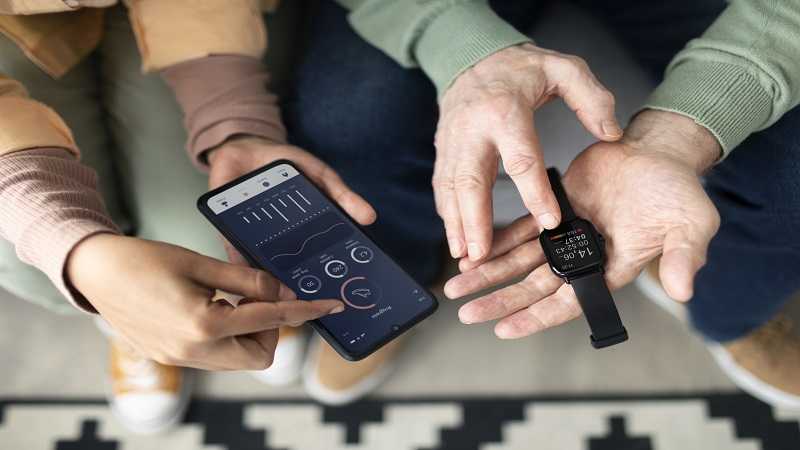
Technology has become an important part of everyday life, changing how people communicate, work, exercise, and manage their personal routines. One of the most noticeable developments is wearable technology, which allows users to access digital features through devices worn on the body. Smartwatches, fitness trackers, smart rings, and other connected accessories have made it easier to monitor activities, receive notifications, and interact with digital services.
The topic wearables FeedWorldTech reflects growing interest in wearable devices and the technology that supports them. As consumers explore smarter ways to manage daily activities, wearable devices are becoming increasingly popular for convenience, fitness tracking, communication, and personal productivity.
Understanding how wearable technology works can help consumers choose devices that match their needs. From checking compatibility with smartphones to comparing battery life and available features, making an informed decision requires looking beyond appearance and marketing claims.
What Is Wearable Technology?
Wearable technology refers to electronic devices designed to be worn on the body. These devices often include sensors, wireless connectivity, software, and small displays that allow them to collect information or interact with other digital products.
Smartwatches are among the most familiar examples. They can display notifications, track physical activity, provide navigation assistance, and support selected applications. Fitness bands often focus on movement, exercise, and general activity tracking, while smart rings offer a smaller design for selected monitoring and notification features.
Other examples include smart glasses, wearable audio devices, and specialized equipment used in professional environments. Each category serves different purposes, so the most suitable device depends on how someone plans to use it.
Why Wearables FeedWorldTech Is a Growing Topic
Interest in wearables FeedWorldTech reflects the broader shift toward connected devices that make digital services accessible throughout the day. Instead of reaching for a phone every time a notification arrives, users can check selected information directly from a wrist-worn or body-worn device.
Wearables can also help people understand their everyday routines. Depending on the device, users may be able to review step counts, activity duration, sleep estimates, and exercise records. This information can help them recognize patterns and set personal goals.
However, not every wearable offers the same features. Some devices prioritize fitness, while others focus on communication, design, or integration with a larger technology ecosystem. Comparing these differences is important before making a purchase.
Smartwatches and Their Everyday Benefits
Smartwatches combine the appearance of a traditional wristwatch with digital capabilities. Many models allow users to receive notifications, control music, check the weather, view calendars, and interact with compatible applications.
Some smartwatches also support calls, contactless payments, navigation, and exercise tracking. The availability of these functions depends on the model, smartphone compatibility, regional support, and subscription requirements.
For busy users, a smartwatch can provide quick access to information without requiring frequent phone use. At the same time, its small screen and limited battery capacity mean that it cannot replace every function of a smartphone.
Fitness Trackers for Active Lifestyles
Fitness trackers are designed to help users monitor movement and develop more consistent activity habits. Depending on the device, they may record steps, estimate distance, measure heart rate, and summarize exercise sessions.
These features can make it easier to set goals and review progress over time. For example, a user may compare activity levels across several days and identify opportunities to include more movement in a routine.
It is important to understand that consumer fitness trackers provide estimates rather than perfect measurements. Accuracy can vary with device design, fit, activity type, and individual circumstances. Users should treat the information as a general guide instead of a substitute for professional medical assessment.
Smart Rings and Compact Wearable Devices
Smart rings offer another approach to wearable technology. Their compact design may appeal to people who prefer not to wear a smartwatch throughout the day.
Depending on the model, a smart ring may provide activity information, sleep estimates, temperature-related measurements, or other personal tracking features. Many products synchronize data with a mobile application for review.
Before choosing a smart ring, consumers should consider sizing, comfort, battery life, water resistance, smartphone compatibility, and any ongoing subscription fees. Since rings may offer fewer direct interaction features than smartwatches, it is important to compare their practical benefits rather than choosing based on appearance alone.
How Wearable Sensors Work
Sensors are a central part of modern wearable technology. They allow devices to collect information about movement, orientation, and selected physical signals.
Accelerometers can detect movement, while gyroscopes help measure rotation and orientation. Optical sensors in some wearables use light to estimate measurements such as heart rate. Other devices may include location services, temperature sensors, or additional components designed for particular functions.
The collected information is processed by the device and its software. Some data is displayed immediately, while other information is stored and analyzed over time to identify patterns.
Sensor capabilities vary significantly between products. Consumers should check the specifications of a particular device instead of assuming that all wearables provide identical measurements.
Wearables and Health Monitoring
Wearable devices have become popular among people interested in learning more about their daily activity and general wellness. Depending on the model, they may provide estimates related to heart rate, sleep, exercise, and other measurements.
These features can encourage people to pay closer attention to their routines. Activity summaries, movement reminders, and sleep reports may help users identify patterns they want to discuss with a healthcare professional.
Nevertheless, consumer wearables have important limitations. Measurements can be affected by movement, device placement, skin characteristics, and sensor design. A wearable should not be relied on to diagnose a medical condition or replace prescribed monitoring and professional care.
People who experience concerning symptoms should seek appropriate medical advice rather than depending solely on a wearable reading.
The Role of Wearables in Fitness Goals
Wearables can support fitness routines by making activity information easier to review. Users may set goals for walking, exercise duration, or movement throughout the day, depending on the capabilities of their device.
Seeing progress over time can encourage consistency. Some applications also provide reminders or summaries that help users recognize when their activity levels change.
However, goals should remain realistic and appropriate for individual circumstances. People returning to exercise after a long break or managing health concerns may benefit from professional guidance before making substantial changes to their activity routine.
The most useful wearable is one that supports healthy habits without creating unnecessary pressure to meet every target.
Battery Life and Charging Considerations
Battery life is one of the most important factors when choosing a wearable device. A watch that requires frequent charging may be inconvenient for someone who wants to track activity throughout the day and night.
Battery performance depends on screen brightness, notification frequency, GPS usage, sensor activity, connectivity, and software features. Manufacturers may advertise different battery estimates based on particular usage conditions, so actual results can vary.
Before purchasing a device, consider how often you are comfortable charging it. Magnetic charging docks, proprietary cables, and charging accessories may also affect convenience when traveling.
Smartphone Compatibility and Connectivity
Many wearables rely on a smartphone for setup, software updates, data synchronization, and access to advanced features. Compatibility can differ between operating systems and device generations.
Some products work best within a particular manufacturer’s ecosystem, while others support a wider range of smartphones. Certain features may require a specific application, account, or subscription.
Before buying a wearable, check the minimum operating system requirements and confirm that the features you need are supported by your existing phone. This simple step can prevent compatibility problems and unexpected expenses.
Wearable Technology and Personal Productivity
Wearables can also support productivity by providing quick access to reminders, calendars, messages, timers, and selected notifications. These features may help users stay informed while working, traveling, or exercising.
For example, a smartwatch can display an upcoming appointment or remind someone about a scheduled task. Music controls and voice assistant features may also make routine activities more convenient.
However, frequent notifications can become distracting. Customizing alerts and disabling unnecessary applications can help users benefit from wearable technology without constantly interrupting their attention.
Privacy and Data Security in Wearables
Wearable devices may collect sensitive personal information, making privacy an important consideration. Depending on the product, this information may include activity records, location data, sleep estimates, or other measurements.
Consumers should review the privacy policy and understand how their information is collected, stored, shared, and deleted. Application permissions should be limited to the features that are actually needed.
Using a strong account password, enabling multifactor authentication when available, and installing official software updates can help improve account security. Users should also check whether data can be exported or deleted if they stop using a particular service.
Privacy practices differ between manufacturers and applications, so it is worth reviewing the details before purchasing a device.
How to Choose the Right Wearable Device
Choosing a wearable begins with identifying the main reason for buying it. Someone interested primarily in exercise tracking may prefer a fitness band, while a person who wants notifications and applications may benefit more from a smartwatch.
Comfort is equally important. A device should fit appropriately, feel comfortable during the activities in which it will be used, and have a design that suits everyday clothing and routines.
Other factors include battery life, display quality, water resistance, durability, warranty coverage, software support, and total cost. Comparing these features can help consumers choose a product that provides genuine value rather than paying for functions they will rarely use.
Common Mistakes to Avoid When Buying Wearables
One common mistake is purchasing a wearable based only on its appearance or popularity. A stylish device may not provide the compatibility, battery life, or tracking features a user actually needs.
Another mistake is assuming that every advertised health measurement is equally accurate. Consumers should review product documentation and understand the limitations of the sensors included in their chosen model.
Ignoring subscription costs can also lead to disappointment. Some products provide basic functions without additional fees, while others reserve selected reports or advanced features for paid services.
Finally, consumers should avoid assuming that expensive devices are automatically better. The best choice is the product that meets personal requirements at a reasonable overall cost.
The Future of Wearable Technology
Wearable technology continues to develop through improvements in sensors, battery efficiency, software, connectivity, and data analysis. Future devices may offer more convenient interfaces and better integration with smartphones, home technology, and selected healthcare services.
Artificial intelligence may also help wearables summarize personal activity information and provide more personalized insights. The usefulness of these features will depend on the quality of the data, privacy safeguards, and how clearly the results are explained.
New designs may make wearable technology smaller and more comfortable while expanding the range of available applications. Nevertheless, reliable performance, user control, security, and practical value will remain important considerations as the market evolves.
Frequently Asked Questions
What does Wearables FeedWorldTech mean?
The phrase refers to an interest in wearable technology, including smartwatches, fitness trackers, smart rings, connected accessories, and the digital features they provide.
Which wearable device is best for beginners?
A simple fitness tracker or entry-level smartwatch may be suitable, depending on whether the main goal is activity tracking or smartphone notifications. Compatibility, comfort, and battery life should guide the decision.
Can wearable devices accurately measure health information?
Wearables can provide useful estimates, but accuracy varies by device and measurement. They should not replace medical diagnosis, professional advice, or prescribed monitoring.
Do all wearables work with every smartphone?
No. Compatibility depends on the device, operating system, manufacturer, and available applications. Always check the requirements before purchasing.
How long does a wearable battery last?
Battery life varies widely. Some devices require daily charging, while others can operate for several days or longer under particular usage conditions. Screen settings and sensor activity can affect performance.
Are wearable devices safe for personal data?
Wearables can be used responsibly, but privacy depends on the manufacturer’s security practices and the permissions granted to connected applications. Review privacy settings and use appropriate account protection.
Conclusion
Wearable technology is changing how people interact with digital services, monitor activity, and manage everyday routines. Smartwatches, fitness trackers, smart rings, and other connected devices offer different combinations of convenience, communication, and personal tracking.
The topic wearables FeedWorldTech highlights the importance of understanding these technologies before choosing a device. By comparing features, checking compatibility, considering battery life, and reviewing privacy practices, consumers can make more informed decisions.
As wearable technology advances, its greatest value will come from solving practical problems and supporting individual needs. Choosing a device that fits your lifestyle, budget, and expectations is the best way to benefit from this growing area of digital innovation. See more