Introduction
Community gatherings are meant to bring people together. Local fairs, school events, charity days, outdoor markets, neighborhood festivals, and public celebrations all create opportunities for connection. But when a place becomes crowded, staying organized can quickly become difficult. People lose small items, families get separated, volunteers struggle to manage supplies, and visitors may feel overwhelmed.
A little planning can make crowded gatherings feel much easier. Organization does not require complicated systems. It comes from preparing essentials, keeping belongings simple, and creating a few habits before the event begins.
Bring Only What You Need
The easiest way to stay organized at a crowded gathering is to carry less. Large bags, too many personal items, and loose objects can become frustrating when walking through crowds or standing in lines.
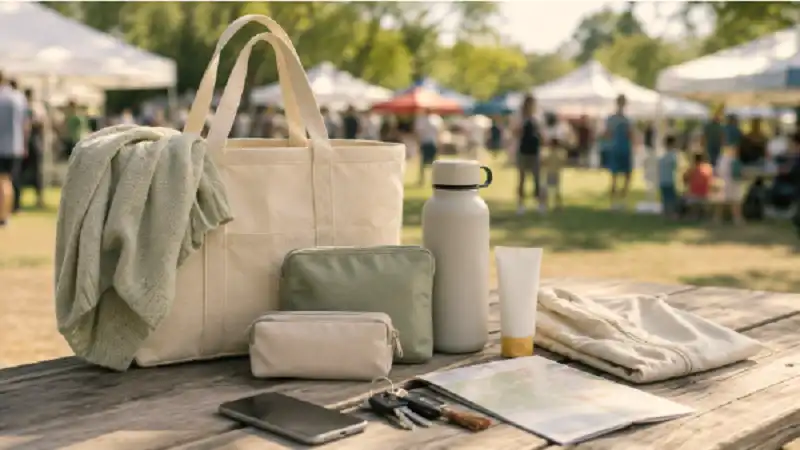
Before leaving, think about the event length, weather, food availability, and whether children or older family members are coming. Most visitors only need a phone, wallet, keys, water, sunscreen, a light layer, and perhaps a small snack.
For casual public events, practical reusable bags such as Custom Tote Bags can be helpful because they are easy to carry and roomy enough for everyday essentials. The key is not to overfill them. A bag that starts light is much easier to manage as the event continues.
Use Small Pouches for Important Items
Crowded places make small items harder to find. Keys, cards, tickets, lip balm, medicine, and chargers should not float loose at the bottom of a bag. Small pouches or zippered sections help keep everything in place.
A simple system works best:
- One pouch for valuables
- One section for snacks or water
- One place for event papers or maps
- One small bag for trash or damp items
This kind of organization helps you find what you need quickly without stopping in the middle of a busy walkway.
Plan a Meeting Spot
If you are attending with family or friends, choose a meeting spot as soon as you arrive. Do not wait until someone gets separated. Pick a visible location such as an entrance sign, information booth, large tree, stage side, or food vendor area.
For children, explain the meeting spot clearly. Also show them where staff or volunteers are located. Crowded community events can feel confusing, so simple instructions matter.
Help Brands and Organizers Stay Visible
Community gatherings are also important for local organizations, nonprofits, and small businesses. When many booths, signs, and activities compete for attention, staying visible can be difficult.
This is why event organizers and sponsors often use useful branded items such as Promotional Tote Bags. A practical bag can help visitors carry materials during the gathering while also keeping the organization visible after the event ends.
Unlike a flyer that may be thrown away quickly, a reusable item has a better chance of being kept and used again.
Keep Event Materials Organized
Many community gatherings involve maps, schedules, brochures, tickets, coupons, or activity sheets. These can become wrinkled or lost if they are not stored properly. Keep paper materials in one place, preferably inside a folder or flat section of a bag.
If you are volunteering or helping run a booth, organization matters even more. Keep extra pens, tape, sign-up sheets, name tags, and product samples arranged before the crowd arrives. This prevents small delays from building into bigger problems.
Reset Before Leaving
Before leaving the event, take a minute to reset your belongings. Throw away trash, check for keys and wallet, collect purchases, and make sure children have their items. Crowded events often end with people rushing toward exits, so a quick reset can prevent lost belongings.
Conclusion
Crowded community gatherings are more enjoyable when you stay organized. Carrying less, using pouches, choosing a meeting spot, keeping papers together, and preparing for purchases can make the day smoother.
Whether you are attending as a visitor, vendor, volunteer, or organizer, small habits can reduce stress and help you focus on what the event is really about: people, connection, and shared experience. See more