
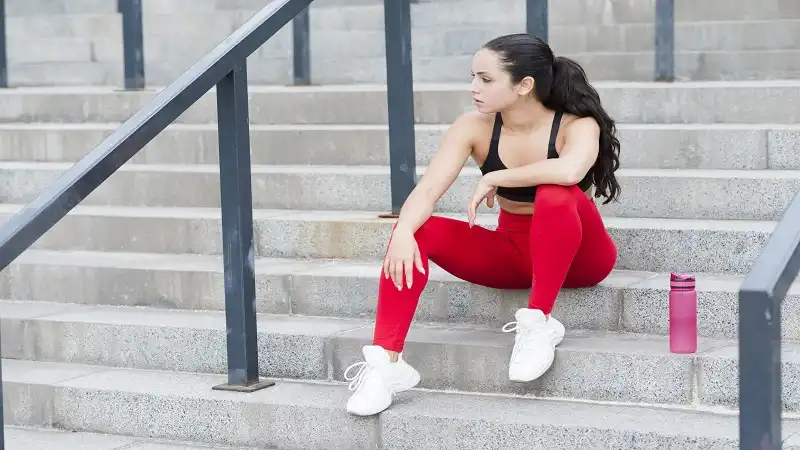
Squat-proof leggings are truly opaque when the fabric maintains full coverage under tension, movement, and changing light. That means the material does not turn sheer at the hips, thighs, or seat during deep squats, lunges, or deadlifts. Many leggings feel thick in the hand yet still become see-through once they stretch across the body. The difference comes down to how the fabric is made, how densely it is knit, how much recovery it has, and whether the garment fits correctly. Opaque leggings should also stay in place without pulling excessively across the seams. If you want reliable coverage in the gym, studio, or daily wear, it helps to understand exactly why some leggings fail and which features consistently prevent transparency.
Why Some Leggings Become See-Through During Squats
How Fabric Stretch Changes Opacity
Stretch changes opacity because fabric coverage depends on how closely the yarns sit together before and during movement. When leggings are at rest, the knit may look smooth and fully covered. During a squat, however, the fabric stretches horizontally and vertically across the body. As that tension increases, the tiny spaces between yarns widen. Once enough light passes through those gaps, the material appears sheer. This effect is especially noticeable across the glutes, where the fabric experiences the greatest expansion. High stretch is not automatically a problem. In fact, workout leggings need flexibility to support movement comfortably. The real issue is uncontrolled stretch without enough fabric density or recovery. A low-quality knit can overextend quickly and lose its compact structure under pressure.
The Role of Fabric Weight, Knit, and Color
Fabric weight, knit construction, and color all shape how opaque leggings look in action. Heavier fabrics often provide better coverage because they contain more material per square inch, but weight alone is not enough. A dense, well-made knit can outperform a thicker fabric with a loose structure. Interlock and tightly knitted performance fabrics usually hold opacity better because they resist gaping when stretched. Color also affects visibility. Dark shades generally hide stretching better because they absorb light and make minor separation in the knit less obvious. Lighter colors, bright tones, and some printed fabrics can reveal the underlying structure more easily, especially under strong lighting. Even the finish of the dye matters, since uneven saturation can highlight pressure points during movement.
The Features That Make Squat Proof Leggings Truly Opaque
Material Blend, Density, and Four-Way Stretch
The best Squat Proof Leggings usually rely on a synthetic performance blend, often combining nylon or polyester with elastane. Nylon creates a smooth, durable surface with strong recovery, while polyester can add resilience and moisture management. Elastane gives the fabric its ability to stretch and snap back. The key is proportion: enough elastane to allow movement, but not so much that the material becomes thin and unstable when extended. Density matters just as much as fiber content. A dense knit keeps the yarns packed closely together, which helps preserve opacity under pressure. This is why some medium-weight leggings outperform heavier ones that use a looser structure. Four-way stretch is another essential feature because it allows the fabric to extend both lengthwise and crosswise, distributing tension more evenly across the garment. Instead of pulling excessively in one direction, the fabric moves with the body and maintains a more uniform surface.
Construction Details That Improve Coverage and Confidence
Construction can make or break opacity, even when the fabric itself is strong. A well-cut pattern distributes tension across the hips, thighs, and seat so no single area is overstrained during a squat. A properly shaped gusset improves mobility and reduces stress at the center seam, where thin fabric often fails first. Wider waistbands also help by anchoring the leggings in place, which prevents the lower body panel from being pulled downward and stretched too tightly. Seam placement matters as well. Flat, well-finished seams reduce distortion and help the garment keep its intended shape through movement. Poorly aligned seams can tug fabric off balance and create localized transparency. Double-layered panels are not always necessary, but thoughtful panel construction can improve support and coverage in high-stretch zones. Reliable opacity also depends on finishing quality.
How to Choose Squat Proof Leggings That Stay Opaque
Fit, Size, and Testing Before You Buy
Fit is one of the biggest factors in opacity. Even excellent fabric can turn sheer if you size down too aggressively. Leggings should feel supportive but not create pronounced tension lines across the hips, thighs, or glutes. If the material looks shiny from overextension, the fit is already compromising coverage. Choosing the correct size allows the knit to work as intended and maintain a consistent surface. Before buying, test the leggings whenever possible. Bend, squat, and hinge in front of a mirror or under bright light. If shopping online, examine close-up product images and reviews that discuss opacity during movement, not just comfort. A simple stretch test with your hands can help, but movement-based testing is far more useful because it shows how the garment performs where it matters most.
Where to Find Reliable Squat Proof Leggings
Reliable squat-proof leggings are easiest to find from retailers and product lines that provide clear construction details instead of generic style marketing. Look for listings that specify fabric blend, intended activity, compression level, and whether the leggings are tested for deep stretch or gym performance. Brands that explain density, recovery, and motion-focused design usually offer more dependable coverage than those that only highlight softness or trend-driven colors.It also helps to buy from sources with transparent sizing guidance, detailed product photography, and straightforward return policies. That makes it easier to verify fit and test opacity at home without risk. Reviews are most useful when they mention specific exercises such as squats, lunges, or weight training.
Conclusion
Squat-proof leggings are truly opaque when they maintain coverage through stretch, movement, and repeated wear. The most reliable options use a dense knit, a balanced performance fabric blend, four-way stretch, and construction that distributes tension without overstraining the seat or thighs. Proper fit is just as important, because even premium leggings can become see-through when sized too small. If you want leggings that hold up in real workouts, look beyond softness and style. Check fabric density, recovery, seam design, and movement-based performance. Opaque leggings are not defined by thickness alone. They are defined by how well fabric, fit, and construction work together when your workout puts them to the test. See more