
How Virtual Set Technology Powers Modern Studio Production
Today, viewers want movies that look amazing and feel immersive, whether it’s on live TV, in shows, at corporate events, or online. Using old methods to meet these standards means tons of set building, traveling, and long hours in post-production.
But now, virtual set tech has changed things. Instead of building everything physically, studios make digital environments in real-time. They match up live action with computer-generated settings that move and light just right.
For those making content, this is really helpful. It lets you be more efficient without sacrificing how things look. With how much virtual production is advancing, it’s clear it’ll stay essential in modern filmmaking setups.
The Shift from Traditional Sets to Virtual Environments
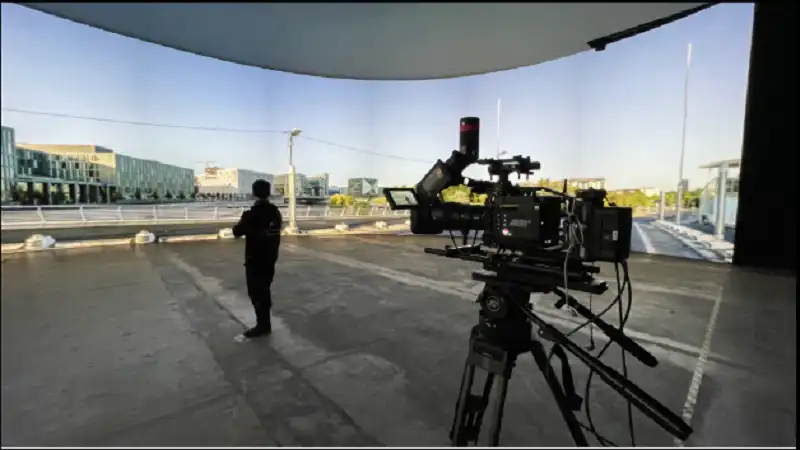
The transition toward digital production environments has transformed how studios approach content creation. Physical sets often require significant budgets, storage space, and labor. Virtual environments offer more flexibility while cutting down on operational issues.
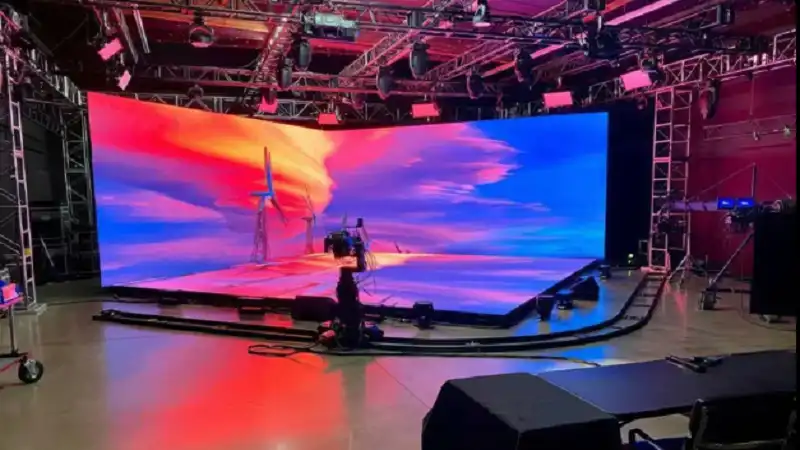
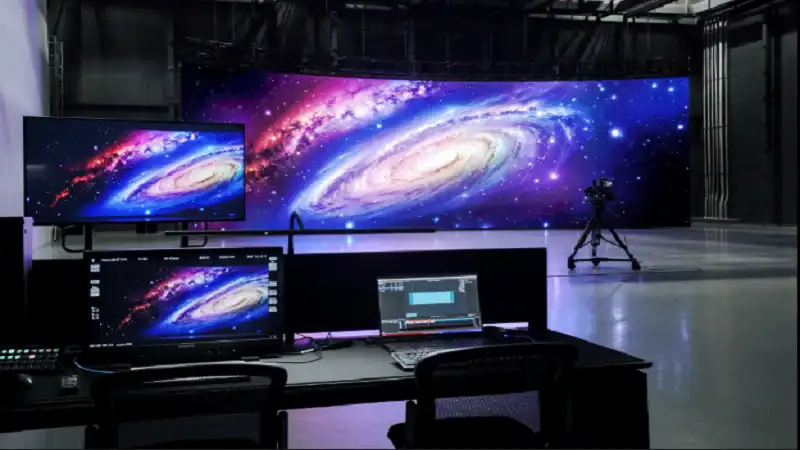
Today, modern productions use virtual production LED wall workstations more often for real-time rendering and display technologies. These systems support big LED setups showing lifelike backgrounds on studio walls, making filming easier.
Since digital sets can change instantly, directors can tweak scenes, locations, weather, and visuals on the fly. They don’t need to reconstruct actual sets. This flexibility makes productions way more efficient.
Real-Time Rendering Makes Instant Changes Possible
Real-time rendering is super crucial in virtual production. Thanks to advanced engines, we get instant 3D environments that update right away, making it easy for directors to tweak lighting, effects, camera angles, and more while everything’s happening. This keeps the workflow way more responsive than old methods, which slowed things down with tons of post-production edits.
Tech makes creative decisions easier too, as crews can instantly review their work and make fixes while the ideas are still fresh. This cuts down on expensive touch-ups later on.
Camera Tracking Creates Realistic Perspective
Virtual environments become believable because modern camera tracking systems continuously monitor camera position, movement, and rotation. These tracking systems communicate with rendering engines in real time.
When the camera moves around the studio, the virtual backdrop shifts to keep up, creating a realistic depth and parallax. This makes digital elements look naturally woven into the scene. If the camera tracking is off, though, the virtual parts feel separate from the live action, breaking immersion. The synchronization between tracking systems and rendering technology is what allows virtual sets to achieve convincing realism.
Interactive Lighting Enhances Visual Quality
Traditional green screen productions often require extensive post-production work to correct lighting inconsistencies between actors and digital backgrounds. Studios using virtual production green screen workstations and advanced rendering systems can support more accurate lighting workflows throughout production.
LED walls act as active light sources that illuminate performers, props, and studio elements using colors and brightness generated by the virtual environment itself. This creates more natural reflections and realistic lighting interactions.
The result is improved visual consistency throughout the production process. Actors appear naturally integrated into their surroundings because the lighting originates directly from the digital environment visible on set.
In-Camera Visual Effects Improve Production Efficiency
In-camera visual effects, or ICVFX, totally rock in modern virtual production workflows. With ICVFX, production crews create super-realistic scenes right when filming is happening.
This lets actors and directors check out the final look of their sets as they perform and direct. It makes for much more natural acting since performers can actually see the digital scenery instead of just guessing what’ll be there later.
Since most of the visual work wraps up during filming, crews breeze through post-production, team communication improves on set, and projects finish way faster without any drop in quality.
Faster Production Cycles and Lower Costs
Virtual production tech cuts down the time needed for moving between locations or building complex sets. Since you can film different scenes on one stage just by switching the background digitally, it saves a ton on costs like travel, construction, and permits. That lets companies focus their funds on fostering creativity instead of managing overhead.
Quickened production schedules mean projects wrap up faster too. Finishing lots of visual effects while filming speeds up post-production, getting the final content out there much sooner. So, everything becomes more efficient from start to finish.
The Future of Studio Production
Virtual production continues to reshape how modern studios create content. As rendering engines, camera tracking systems, and LED technologies advance, virtual environments are becoming increasingly realistic and accessible.
Compared with providers such as Puget Systems and BOXX Technologies, Cloud Ninjas focuses heavily on specialized workstation configurations designed around professional production workflows. This targeted approach helps organizations match hardware more closely with real-world virtual production requirements.
As demand for immersive content continues to grow, studios that invest in optimized virtual production infrastructure will be better positioned to deliver high-quality experiences efficiently. The ability to combine creative freedom, operational flexibility, and production speed makes virtual set technology a defining force in the future of content creation.
see more: feedworldtech