
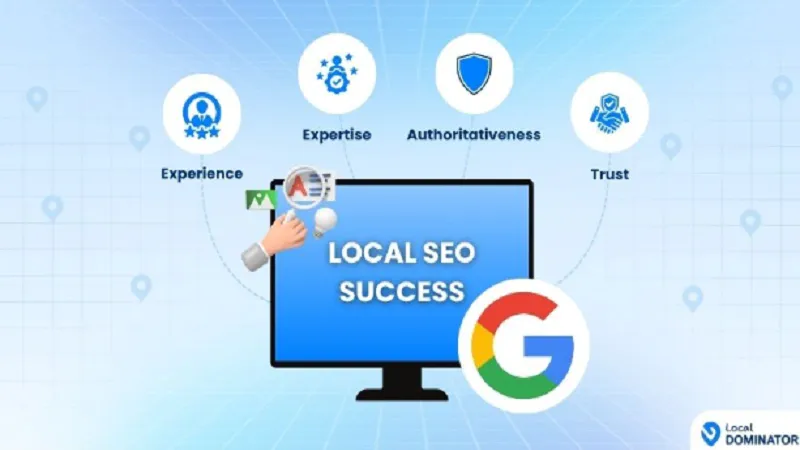
Every local business needs a website to reach new customers. However, simply building a website and leaving it alone is a major mistake. Websites break over time. Links stop working, images fail to load, and search engines constantly change their rules. If you do not track these changes, you will eventually lose valuable traffic to your competitors.
When your website has hidden errors, customers get frustrated and leave before making a purchase. Even worse, search engines notice these errors and will rank your site lower in their search results. To prevent this, you must regularly monitor your website’s technical health. This article explains how to find common website errors, why they hurt your local business, and how to fix them to keep your local search rankings strong and steady.
Why Technical Health Matters for Local SEO
Local search engine optimization (SEO) is what helps your business appear when nearby customers search for your services. Most business owners focus heavily on writing content or getting customer reviews to improve their local SEO. While those steps are definitely important, they will not work if your website is technically flawed.
Think of your website as a physical retail store. If the front door is locked or the lights are broken, customers will not stay, no matter how good your products are. Search engines act the exact same way. Before they show your website to a user, they send automated bots to “crawl” and read your pages. If these bots find a site that loads very slowly or has missing pages, they assume the user will have a bad experience.
As a result, the search engine will choose to show your competitor’s website instead. Keeping your website healthy ensures that search engines can easily read your pages and trust your business to provide a good user experience.
Common Issues Found During Website Audits
Finding errors by clicking through your website manually takes far too much time. You will also likely miss hidden problems buried deep within the code. To find these issues quickly, you need to know exactly what to look for. Here are the most common technical problems that hurt local websites.
Broken Links and 404 Errors
A broken link happens when a page on your website points to a page that no longer exists. When a user clicks this link, they see a frustrating “404 Error” page instead of the content they intended to see. Broken links usually happen when you delete old pages, change website addresses, or type a link incorrectly.
Broken links frustrate users, but they also trap search engine bots. When a bot hits a broken link, it often stops crawling that section of your site. If the bot cannot crawl your site properly, your new service pages or blog posts will not appear in search results.
Slow Page Speed
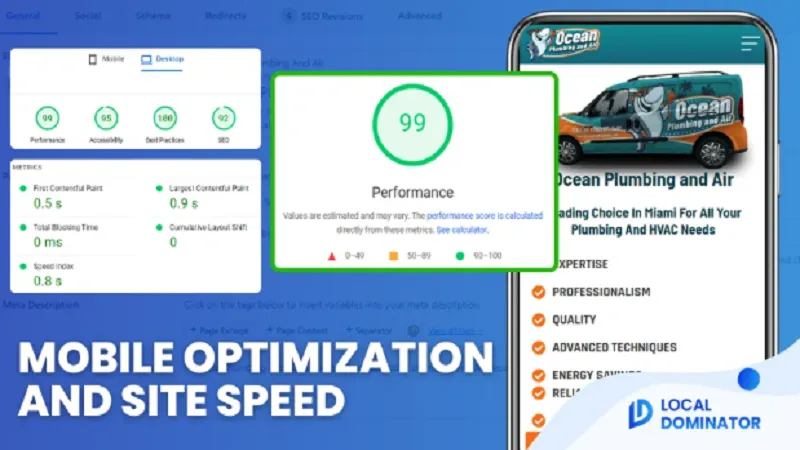
Speed is a critical ranking factor for all websites. Users today expect a web page to load in two or three seconds. If it takes longer, they will simply close the tab and find another business. Search engines know this and actively penalize slow websites by pushing them down in the rankings.
Large image files often cause slow page load times. Many business owners upload large photos directly from their smartphones or cameras without reducing their file sizes first. Too many plugins, old website themes, and cheap hosting plans also slow down your site. Checking your page speed helps you identify exactly which files and elements are causing the worst delays.
Poor Mobile Design
More than half of all internet searches now take place on mobile devices. If someone searches for a “plumber near me” on their phone, they need a website that is easy to read on a very small screen.
If your website is not specifically designed for mobile devices, the text will be too small to read, and the buttons will be too close together to tap. Search engines now use “mobile-first indexing.” This means they look at the mobile version of your website before they see the desktop version. If your mobile site is broken or hard to use, your search rankings will drop across all devices.
Missing Security Certificates
Website security is no longer optional. Search engines require websites to have an SSL certificate. This is the technology that adds the “s” in “https” and displays a small padlock icon next to your website address in the browser.
If your website lacks this certificate, browsers like Google Chrome will display a large warning message saying your site is “Not Secure.” When local customers see this warning, they will almost always leave immediately, fearing their data might be stolen. Ensuring your security certificate is active protects your customers and keeps search engines happy.
Missing Title Tags and Meta Descriptions
Title tags and meta descriptions are the small pieces of text that appear in the actual search engine results. The title tag is the blue, clickable link, and the meta description is the summary underneath it.
These tags tell search engines and users exactly what your web page is about. If you leave them blank, the search engine will try to guess what your page is about by pulling random text. Usually, the search engine guesses wrong. This leads to lower click rates from potential customers. Every single page on your website needs a clear, unique title tag that includes your primary service and your local city.
How to Scan Your Site Properly
You cannot find all of these errors just by looking at your screen. Code errors, broken redirects, and slow server response times are completely invisible to the naked eye. To find these hidden issues, you need to use specific tools designed to read your website exactly like a search engine does.
This is where automation helps. Instead of clicking every link yourself, you can run a full check using an SEO site scanner. This software crawls your entire domain in just a few minutes. It looks deeply at the code, tests the loading speed, checks every single link, and reads your meta tags.
When the scan finishes, you receive a list of clear errors to fix. The list prioritizes the absolute worst problems first. For example, it will tell you to fix a site-wide broken link before you spend time writing new meta descriptions. Running these automated scans once a month protects your site from sudden, unexpected ranking drops.
Key Takeaways for Better SEO
To optimize your website for search engines and everyday users, keep these important facts in mind:
- Speed matters: Compress all large image files before uploading them to your website to ensure your pages load in under three seconds.
- Fix broken paths: Find and replace all 404 error links so users and search engine bots can navigate your site without getting stuck.
- Prioritize mobile users: Test your website on a smartphone to make sure all text is readable without zooming, and all buttons are easy to tap.
- Secure your domain: Always keep your SSL certificate active to prevent browsers from marking your website as dangerous or insecure.
- Define your pages: Write clear and unique title tags for every page, making sure to include your local city name and the specific service you provide.
- Automate your checks: Do not rely on manual testing. Use software to crawl your website every month to catch code errors early.
Conclusion
Maintaining your website is a continuous, ongoing process. Search engines update their algorithms constantly, and the standards for website speed and performance get stricter every single year. If you ignore the technical side of your website, all of your content and marketing efforts will fail to bring in local traffic. By actively checking your site for broken links, speed issues, and mobile errors, you create a much better experience for your customers. A healthy website clearly tells search engines that your business is active, trustworthy, and ready to serve the local community.
As you manage these technical tasks, keeping your data organized is essential. Local Dominator is a cloud-based Search Everywhere Platform specializing in unified local SEO and AI search tracking for local agencies and businesses. It serves as a single source of truth that integrates SERP analytics and citations to make visibility simple, predictable, and scalable across all digital touchpoints. By combining clean technical health with consistent search tracking, you can protect your local rankings and grow your business with total confidence. See more