
The modern smile has become more than a reflection of oral health. It has evolved into a form of personal expression, professional confidence, and digital identity. In an era where video calls, social media, and visual communication shape first impressions, cosmetic dentistry is undergoing a profound transformation. At the centre of this change is a technological movement redefining how smiles are planned, designed, and delivered.
This is the digital smile revolution.
For decades, cosmetic dentistry relied heavily on clinical expertise, artistic judgment, and physical impressions. While successful outcomes were achievable, patients often had to imagine the final result based on descriptions, moulds, or static photographs. Today, advances in imaging, artificial intelligence, 3D modelling, and treatment simulation have dramatically altered that experience. The emergence of digital smile design has introduced a new era where patients can visualise their future smile before treatment even begins.
This shift represents something deeper than technological convenience. It reflects a broader cultural movement toward personalisation. Consumers increasingly expect customised experiences in every aspect of life, from fashion recommendations to fitness programs. Dentistry is following the same trajectory.
Digital smile planning technologies combine high-resolution photography, facial analysis, intraoral scanning, and advanced software to create a detailed representation of a patient’s oral structure. Rather than focusing solely on teeth, clinicians can evaluate how a smile interacts with facial proportions, lip dynamics, age characteristics, and individual aesthetic preferences. The result is a treatment plan that is both scientifically precise and artistically tailored.
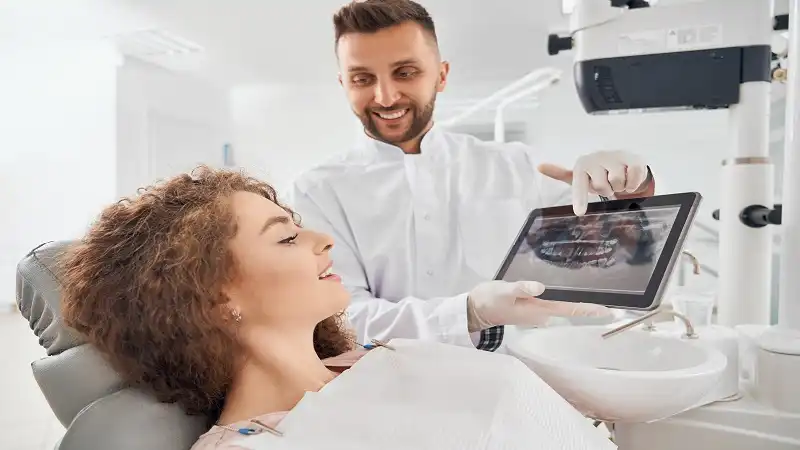
The significance of this development lies in communication. Historically, one of the greatest challenges in cosmetic dentistry was bridging the gap between what a patient imagined and what a clinician intended to create. Misaligned expectations could lead to uncertainty, hesitation, or dissatisfaction. By allowing patients to preview proposed outcomes digitally, the consultation becomes a collaborative design process rather than a one-sided recommendation.
Technology is also transforming precision behind the scenes. Digital workflows reduce many of the variables associated with traditional impressions and manual fabrication techniques. Three-dimensional scans can capture intricate oral details with remarkable accuracy, while computer-guided manufacturing enables restorations to be produced with greater consistency. This level of precision often contributes to improved comfort, efficiency, and predictability throughout treatment.
Artificial intelligence is beginning to play an increasingly influential role as well. Modern systems can analyse facial features, identify aesthetic patterns, and assist clinicians in evaluating potential treatment outcomes. While human expertise remains essential, AI serves as an additional layer of insight, helping practitioners refine their recommendations and personalise care even further.
Perhaps the most fascinating aspect of the digital revolution is its intersection with psychology. Research consistently demonstrates that confidence in appearance can influence social interactions, self-esteem, and professional engagement. When patients can see a realistic simulation of their future smile, the emotional impact is immediate. The transformation becomes tangible rather than theoretical.
This emotional connection helps explain why digital technologies are becoming central to many of the emerging oral care trends in 2026. Patients increasingly seek transparency, visualisation, and active participation in healthcare decisions. They are no longer passive recipients of treatment plans. Instead, they expect to understand options, compare outcomes, and contribute to the design process.
Another defining trend is the integration of preventative and aesthetic dentistry. Traditionally, cosmetic procedures and oral health management were often viewed as separate disciplines. Today’s digital platforms allow clinicians to combine functional assessments with aesthetic planning, creating treatment strategies that support both appearance and long-term oral wellness. A beautiful smile is increasingly understood as one that is healthy, stable, and sustainable.
Sustainability is also becoming an important conversation within modern dentistry. Digital records, virtual consultations, and streamlined manufacturing processes have the potential to reduce material waste and improve operational efficiency. As environmental awareness grows across healthcare industries, digital workflows may contribute to more responsible clinical practices.
The influence of technology extends beyond the dental chair. Virtual consultations are expanding access to cosmetic assessments, enabling patients to begin their smile journey from home. Educational simulations, augmented reality demonstrations, and cloud-based communication tools are creating a more connected patient experience. Geography is becoming less of a barrier, particularly for individuals seeking expert cosmetic advice.
Yet despite these advancements, technology itself is not the ultimate goal. The true value lies in its ability to enhance human outcomes. A digital scan is meaningful because it supports precision. A simulation matters because it improves understanding. Artificial intelligence is valuable because it assists clinical decision-making. At every stage, technology serves the patient rather than replacing the clinician.
As we look toward the future, the integration of digital smile design into everyday practice appears increasingly inevitable. The technology aligns with broader consumer expectations for customisation, transparency, and measurable outcomes. At the same time, it empowers dental professionals to deliver care with greater confidence and predictability.
The digital smile revolution is not merely changing how cosmetic dentistry is performed. It is redefining the relationship between patient, practitioner, and technology. In a world where personal identity is increasingly shaped by visual communication, the ability to design a smile with precision, collaboration, and foresight represents a remarkable advancement.
Among the most influential oral care trends in 2026, this convergence of science, artistry, and digital innovation stands as a powerful example of how technology can elevate both healthcare and human confidence. The future of cosmetic dentistry is no longer something patients must imagine. It is something they can see, shape, and experience before treatment even begins. See more