
If you’ve lived in the same house for a few years, you’ve probably noticed something curious about your neighborhood. Every spring, a handful of lawns come back looking thick and healthy almost immediately, while others spend months trying to recover.
If you’ve lived in the same neighborhood for a few years, you’ve probably noticed something curious each spring. Some lawns green up quickly and stay thick throughout the season, while others struggle with thin patches, weeds, or bare spots. Although regular care, time, and investment certainly make a difference, they’re only part of the equation. Factors like soil health, drainage, sunlight, and choosing the right maintenance practices often have just as much influence on how a lawn performs from one season to the next.
A lawn begins preparing for next season while you’re still enjoying the current one. By the time bare spots, weeds, or thinning grass become obvious, the conditions that caused those problems have often been developing beneath the surface for months. That’s why homeowners who think about lawn care seasonally usually spend less time repairing damage than those who wait until the grass starts looking unhealthy.
Good Turf Starts with Soil Most People Never Think About
A friend once complained that his lawn “just stopped growing.” He had fertilized it, watered it, and even reseeded a few thin areas, yet nothing seemed to make much difference. After walking across the yard, the problem became easier to understand. The ground felt almost as hard as a gravel driveway.
That experience is more common than many homeowners realize. Soil gradually becomes compacted through rainfall, mowing, children playing outside, pets following the same paths every day, and simple everyday use. Grass can survive those conditions for a while, but surviving isn’t the same as thriving.
This is why lawn care aeration remains one of the most valuable seasonal maintenance practices. Creating small openings in compacted soil allows water, oxygen, and nutrients to move more freely toward developing roots. Homeowners often notice greener grass later, but the real improvement begins underground where healthier roots can support the lawn through periods of heat, drought and heavy use.
Every Season Leaves Something Behind
Many homeowners think of lawn care as something that happens in spring because that’s when the yard starts growing again.
Grass doesn’t see the calendar that way.
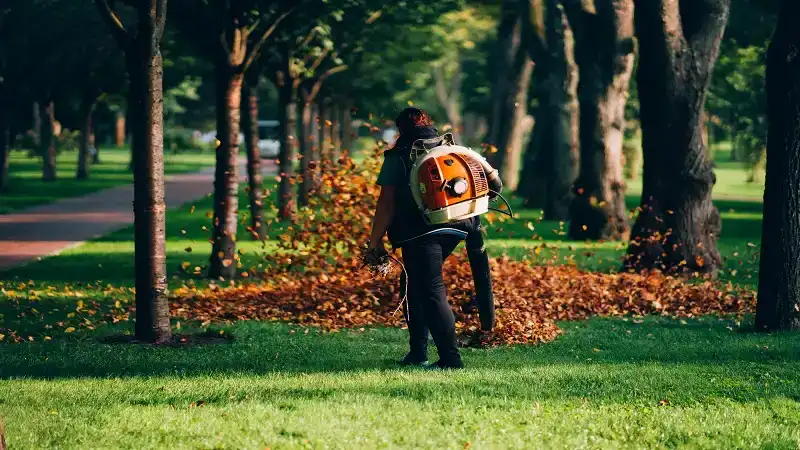
Summer heat can weaken root systems. Heavy autumn leaves may trap moisture if they’re ignored. Winter can leave compacted soil and damaged turf in areas that receive frequent foot traffic. Each season leaves behind conditions that influence the next, whether those changes are immediately visible or not.
That’s why successful lawn care rarely depends on one impressive weekend of work. It comes from paying attention to what the lawn needs at different times of the year, rather than repeating the same routine every month.
Healthy Lawns Recover; They Don’t Just Grow
One of the easiest ways to recognize a healthy lawn isn’t how it looks during perfect weather. Almost every yard looks good after weeks of mild temperatures and steady rain.
The real difference appears after something goes wrong.
A stretch of unusually hot weather, several weeks without rain, or constant backyard activity can leave one lawn struggling while another seems to recover almost effortlessly. That resilience usually reflects years of consistent maintenance rather than anything that happened during the previous week.
People searching for better ways of taking care of their lawn often focus on fixing visible problems because those are the easiest to notice. Experienced homeowners tend to work the other way around. They spend more time protecting soil health, encouraging deeper roots, and reducing stress before damage becomes obvious. As a result, they often have fewer repairs to make when challenging weather arrives.
Long-Term Results Rarely Come From Quick Fixes
Some companies in the lawn care industry promote products that promise fast improvements; however, there are no quick lawn care fixes for long-term issues.
Some treatments certainly provide noticeable results, but healthy turf is built much the same way a healthy tree is built. The visible growth depends on years of gradual development below the surface rather than a single dramatic change.
That is why long-term turf performance has less to do with finding the perfect fertilizer or mowing pattern and more to do with understanding how each season prepares the lawn for the next. Healthy soil encourages stronger roots. Stronger roots improve drought tolerance. Better root systems help grass recover from everyday stress before homeowners ever notice a problem developing.
In the end, the best-looking lawns rarely belong to people chasing quick solutions. They usually belong to homeowners who understand that grass is always responding to the conditions created months earlier, and who treat seasonal maintenance as an investment in next season rather than a reaction to this one. See more