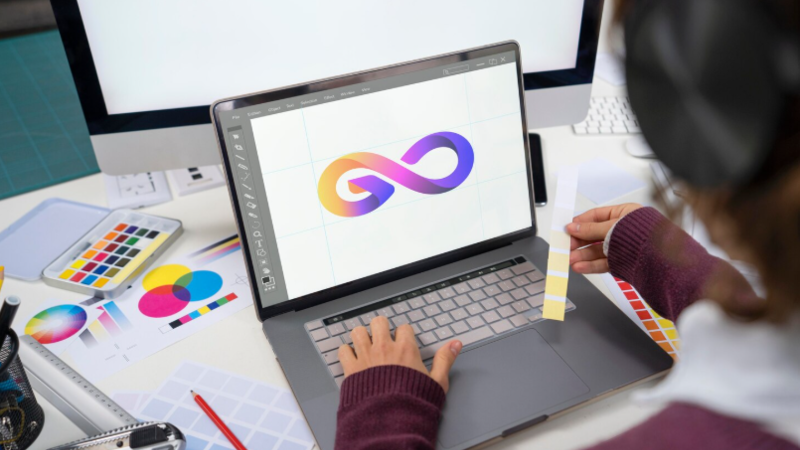
A logo is often the first silent introduction your brand makes. Before someone reads your about page, checks your pricing, or scrolls through your content, they notice that small visual mark representing you. In seconds, it communicates personality, credibility, and intention. That’s a lot of responsibility for a single design element, which is why so many people feel pressure when it comes to getting it right.
For entrepreneurs, startups, and creators, logo design has traditionally been one of the most stressful steps in building a brand. You want something that looks polished and intentional, but you may not have the budget for an agency or the design skills to confidently create it yourself. The result is often delay, overthinking, or settling for something that doesn’t quite fit. Thankfully, modern tools are changing how brands approach this process.
One of the most practical shifts has been the rise of intelligent design platforms. Tools like the AI logo generator link help bridge the gap between creative vision and execution, allowing users to explore strong logo concepts quickly while still maintaining control over the final look.
Why a Logo Matters More Than Ever?
In today’s digital-first world, logos appear everywhere. They live on websites, social media profiles, email signatures, invoices, packaging, mobile apps, and ads. Each appearance reinforces your brand—or weakens it if the design feels inconsistent or unprofessional.
A well-designed logo builds recognition. Over time, people begin to associate that visual with your values, your quality, and your voice. Think about brands you recognize instantly without reading their name. That familiarity creates trust, and trust drives action.
For newer businesses, this is especially important. You don’t have years of brand history working in your favor. A strong logo helps you look established, even if you’re just getting started.
The Problem With Traditional Logo Design
The traditional logo design process often starts with a blank canvas, which can be intimidating. Without a design background, it’s hard to know which fonts work together, how colors influence perception, or how to balance originality with simplicity.
Hiring a designer can solve some of these issues, but it comes with its own challenges. The process can be expensive, revisions can take weeks, and miscommunication is common. Many founders find themselves stuck between wanting something perfect and needing something practical—right now.
As a result, logos often become a compromise rather than a confident choice.
A Smarter Way to Approach Logo Creation
Modern logo tools take a different approach. Instead of asking users to invent everything from scratch, they provide guided starting points. By combining brand preferences, industry context, and style direction, these tools help users see what works faster.
This approach doesn’t replace creativity—it supports it. You’re still making decisions, but you’re doing so with structure and clarity. That makes experimentation less stressful and far more productive.
For small teams or solo founders, this efficiency can be a major advantage. You can focus on refining your brand instead of getting stuck in indecision.
Real-Life Scenarios Where This Makes a Difference
Imagine a fitness coach launching an online program. They need a logo that feels energetic, trustworthy, and modern. They don’t have weeks to test ideas or a large budget for design. With guided logo creation, they can explore multiple styles, adjust colors, and land on something that feels aligned—all in a short amount of time.
Or consider a freelance consultant building a personal brand. Their logo needs to work across LinkedIn, presentations, and proposals. A clean, adaptable design helps them appear credible and consistent, which directly impacts how potential clients perceive them.
In both cases, the ability to move quickly without sacrificing quality is key.
Tips for Creating a Logo That Holds Up Over Time
Regardless of how you design your logo, a few principles always apply:
- Keep it simple. Complex designs are harder to remember and harder to scale.
- Think about versatility. Your logo should work in color, black and white, large and small.
- Choose fonts carefully. Typography communicates personality more than most people realize.
- Use color with intention. Colors evoke emotion—make sure they match your brand’s tone.
- Test it in real contexts. See how it looks on social media, websites, and printed materials.
A logo isn’t just for today. It’s a foundation you’ll build on for years.
Branding Is About Clarity, Not Complexity
One of the biggest misconceptions about branding is that it needs to be complicated to be effective. In reality, clarity wins. When your logo clearly communicates who you are and what you stand for, everything else becomes easier—from marketing to customer trust.
Modern tools make it possible to reach that clarity faster. They remove unnecessary friction and help you focus on what actually matters: creating a brand that feels authentic and confident.
Conclusion: Start Strong With the Right Visual Foundation
Your logo doesn’t need to be perfect—it needs to be intentional. It should reflect your values, support your goals, and grow with your brand. With today’s smarter design options, creating a professional logo is no longer a barrier reserved for those with big budgets or design degrees.
When your visual identity feels right, it shows. People notice the confidence. They remember your brand. And that first impression becomes the start of something lasting. See more.