
Maximizing solar panel output while traveling starts with good placement, smart equipment choices, and a simple daily routine. Whether you travel by RV, van, camper, or car, portable solar power works best when you treat sunlight like a limited resource that must be captured efficiently. Small mistakes such as partial shade, flat panel placement, dirty surfaces, or charging too many devices at once can noticeably reduce performance. The good news is that most output losses are preventable. By understanding how solar panels behave in changing road conditions, you can collect more energy, charge faster, and rely less on hookups or generators. A few practical adjustments each day can improve power availability and make your off-grid setup more dependable throughout the trip.
Understand What Affects Solar Panel Performance on the Road
Position Your Panels for Maximum Sun Exposure
Direct sunlight has the biggest impact on solar output, so panel placement should be your priority at every stop. Set up portable panels in an open area clear of trees, awnings, roof racks, and nearby vehicles. Face them toward the strongest sun exposure available, and avoid leaving them flat unless no other option exists. If you can choose where to park, orient the vehicle so portable panels or roof-mounted arrays receive longer sun access during peak daylight hours. Morning and afternoon light can still help, but midday sun usually delivers the highest charging input. Even a modest improvement in direction and tilt can increase energy collection, especially during shorter travel days when charging time is limited.
Reduce Energy Loss from Shade, Heat, and Dirt
Small obstructions create surprisingly large losses. Partial shade from a branch, mirror, antenna, or roof accessory can reduce the output of an entire panel string, so check for moving shadows as the sun changes position. Heat is another common road issue. Panels mounted directly against hot surfaces often run less efficiently than panels with some airflow underneath. Portable panels can help because you can move them away from hot roofs and place them where ventilation is better. Dirt, dust, pollen, bird droppings, and road grime also block sunlight and lower production. Wipe panels regularly with a soft cloth and water when needed, especially after long drives, storms, or desert camping. Clean surfaces capture more light and maintain more consistent charging.
Build an Efficient Travel Solar Charging Setup
Match Your Solar Panels with the Right Power Station
Your solar panels should match the power station’s solar input limits, battery capacity, and charging requirements. If you use higher-wattage panels with a station that only accepts limited input, you will not capture the full benefit of the panel array. Check the supported voltage and wattage range before connecting anything. A well-matched setup charges faster, operates more safely, and makes better use of available sunlight. It also helps to choose a power station with enough storage for your typical overnight loads, so daytime energy is not wasted. When the battery size, panel output, and charging electronics are aligned, the entire system works more efficiently and delivers more dependable off-grid power during travel.
Choose Portable Solar Panels for Different Travel Styles
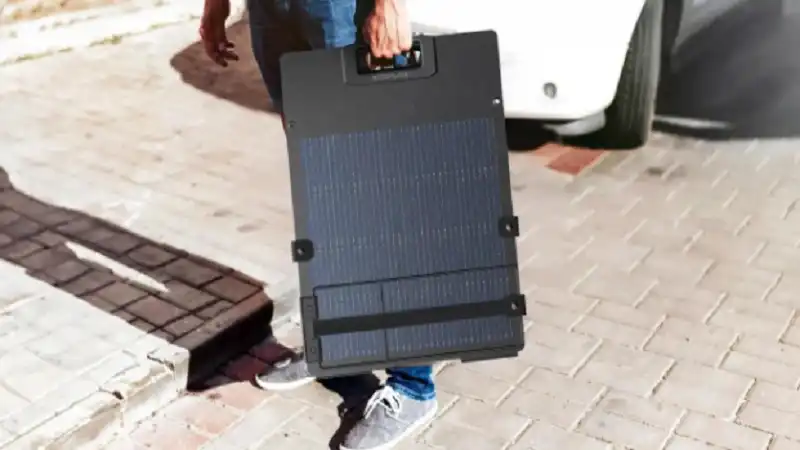
Portable solar panels are often the best choice for travelers because they let you park in shade while placing panels in full sun. Foldable designs suit weekend campers and road trippers who want fast setup, compact storage, and easy carrying. Larger portable panels work well for RV users, van travelers, or longer off-grid stays where higher daily energy collection matters more than pack size. Look for durable panels with adjustable kickstands, weather-resistant construction, and connectors compatible with your charging system. If you move frequently, lightweight panels are easier to deploy at short stops. If you stay in one place longer, larger portable panels can improve charging consistency and give you more flexibility in difficult campsite conditions.
Daily Habits That Increase Solar Energy Collection
Adjust Panel Angles Throughout the Day
The sun moves constantly, so fixed panel placement leaves energy on the table. If you use portable panels, adjust their angle several times a day to keep them facing the strongest sunlight. A morning, midday, and late-afternoon adjustment can noticeably improve collection, especially in cooler seasons when the sun sits lower in the sky. Use the built-in kickstands if your panels have them, and make sure the panels remain stable in wind. This small habit is one of the easiest ways to increase output without buying more equipment. Travelers who stay in camp for most of the day can often recover significantly more power just by repositioning panels as sunlight shifts.
Monitor Power Input and Manage Device Charging
Watch your power station or charge controller display to see real-time solar input and battery status. Monitoring helps you spot problems quickly, such as sudden shading, a loose cable, or a dirty panel reducing performance. It also helps you time energy use more effectively. Charge laptops, camera batteries, e-bikes, or other larger loads when solar input is high so less energy is pulled from storage later. Smaller devices can often wait until the battery has recovered from overnight use. Avoid plugging in many unnecessary loads during weak sun conditions. When you actively track input and manage charging around peak production hours, you turn limited daylight into more practical, usable power.
Conclusion
To maximize solar panel output while traveling, focus on direct sun, proper panel angle, clean surfaces, minimal shading, and a well-matched charging setup. Portable panels, regular monitoring, and smarter daily charging habits help you collect more energy and use it more effectively wherever the road takes you. See more