
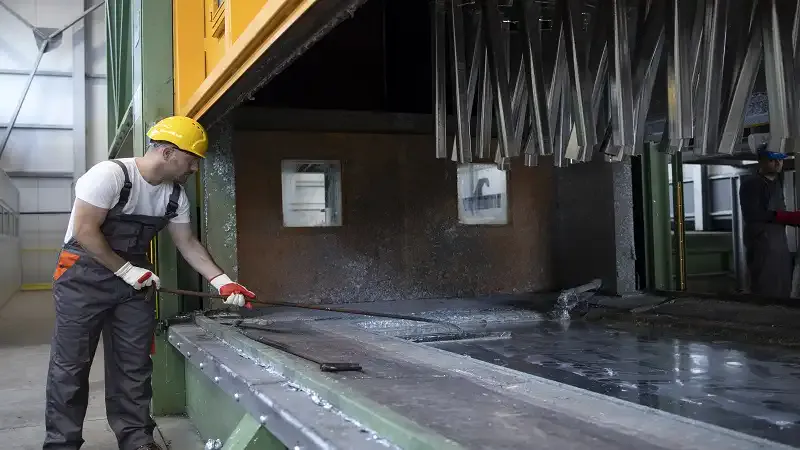
Concrete and structural construction projects generate some of the heaviest and most demanding debris found on a job site. From broken concrete and masonry materials to wood forms, steel scraps, and packaging waste, debris accumulates quickly during structural phases of construction. Without a clear waste handling strategy, these materials can slow down production, create safety hazards, and interfere with equipment movement throughout the site.
For contractors, efficient waste handling is not simply about cleanup. It is an operational system that supports workflow, protects productivity, and helps maintain safe, organized conditions during every phase of structural work.
Why Structural Work Creates Unique Waste Challenges
Structural construction differs from finish work because of the scale and density of the materials involved. Concrete, rebar, framing components, and excavation debris require more planning and handling capacity than lighter construction waste.
Common debris generated during structural work includes:
- Broken concrete and masonry materials
- Wood framing and concrete forms
- Steel scraps and reinforcing materials
- Excavation debris and site-clearing waste
- Pallets and packaging from material deliveries
- Mixed debris from multiple trades working simultaneously
Because these materials are often produced in large quantities over short periods, waste handling systems must keep pace with active construction operations.
Planning Waste Handling Before Construction Begins
The most successful structural projects begin with a waste management plan before major work starts. Contractors should evaluate how debris will be generated and removed throughout each project phase.
Planning typically includes:
- Estimating debris volume by phase
- Identifying container placement locations
- Coordinating pickup schedules
- Establishing cleanup expectations for crews
Without early planning, debris can quickly become difficult to manage once heavy construction activities begin.
Estimating Debris Volume and Weight
Concrete and structural materials create unique disposal challenges because of their weight. Containers may reach maximum capacity long before they appear full.
Contractors should account for:
- Square footage of demolition or concrete removal
- Thickness and density of materials
- Number of active crews generating debris
- Frequency of material deliveries and packaging waste
Accurate estimates help determine how many containers may be required and how often they will need service.
Using Dedicated Containers for Heavy Materials
Heavy structural debris should be managed separately from lighter construction waste whenever possible. Dedicated containers designed for dense materials help improve efficiency and prevent overloading.
Many contractors coordinate waste handling through Temporary Dumpster to ensure the correct container sizes and service schedules are available throughout structural projects.
Using appropriate containers helps support safer loading and smoother removal operations.
Positioning Containers for Efficient Workflow
Container placement has a major impact on productivity during structural work. Dumpsters should be positioned where crews and equipment can access them easily without disrupting site movement.
Effective placement strategies include:
- Positioning near active demolition or framing zones
- Keeping containers accessible to loaders or skid steers
- Maintaining clear service access for haul trucks
Reducing hauling distance minimizes labor demands and keeps work progressing efficiently.
Coordinating With Heavy Equipment Operations
Structural projects rely heavily on equipment such as excavators, cranes, forklifts, and loaders. Waste handling systems must work alongside these operations without creating congestion.
Contractors should ensure:
- Debris does not block equipment routes
- Containers remain accessible during active operations
- Cleanup areas are coordinated with staging zones
Proper coordination improves both efficiency and site safety.
Managing Concrete Debris Effectively
Concrete debris requires special attention because of its weight and irregular shape. Broken slabs and masonry materials can quickly overwhelm containers if not loaded correctly.
To improve handling efficiency:
- Break concrete into manageable sections
- Distribute heavy materials evenly throughout containers
- Avoid stacking oversized pieces inefficiently
Proper loading practices maximize container capacity and help maintain safe transport conditions.
Handling Wood Forms and Structural Framing Waste
Concrete and structural projects also generate significant amounts of wood waste from forms, bracing, and framing operations.
Contractors can improve organization by:
- Separating reusable form materials when possible
- Stacking wood waste neatly for efficient loading
- Removing damaged framing materials consistently throughout the day
Managing these materials separately helps keep work areas cleaner and more organized.
Scheduling Consistent Pickup and Swap Service
Structural projects continuously generate debris, particularly during demolition and concrete work. Regular pickup service is essential to maintaining disposal capacity.
Contractors should:
- Monitor container fill levels daily
- Schedule pickups before containers become overloaded
- Plan for additional service during peak demolition activity
Consistent service prevents debris accumulation and keeps operations moving smoothly.
Supporting Multiple Crews Across the Site
Structural projects often involve several crews working simultaneously in different areas. Concrete teams, framing crews, steel installers, and equipment operators all contribute to site debris.
Providing clear waste handling procedures helps:
- Keep work zones organized
- Reduce confusion over disposal responsibilities
- Improve coordination between trades
When all crews follow the same system, debris management becomes far more efficient.
Maintaining Safe Job Site Conditions
Debris buildup at construction sites poses serious safety risks, especially around heavy equipment and active work zones.
Effective waste handling helps:
- Keep walkways and equipment routes clear
- Reduce tripping and impact hazards
- Improve visibility around active operations
- Support safer overall working conditions
Maintaining a clean site is essential for protecting both workers and productivity.
Adapting to Changing Project Conditions
Structural construction sites change rapidly as projects progress. Once open areas may become restricted as framing, concrete pours, or steel installation advance.
Contractors should remain flexible by:
- Relocating containers as work zones shift
- Adjusting service schedules based on debris volume
- Increasing disposal capacity during intensive phases
Adaptability helps maintain efficient waste handling throughout the project lifecycle.
Reducing Labor Through Better Waste Coordination
Without a structured waste strategy, crews often spend unnecessary time relocating or reorganizing debris instead of focusing on construction tasks.
Efficient waste handling reduces:
- Repeated material movement
- Downtime caused by cluttered work zones
- Physical strain on workers
This allows crews to stay focused on production and maintain project momentum.
Establishing Daily Cleanup Expectations
Consistent cleanup routines are essential on concrete and structural projects where debris accumulates rapidly.
Helpful practices include:
- End-of-day cleanup requirements
- Designated disposal areas for specific materials
- Regular inspections of active work zones
Consistency prevents waste from becoming unmanageable and helps maintain organized conditions across the site.
Improving Overall Project Efficiency
Well-coordinated waste handling supports nearly every aspect of structural construction. When debris is removed consistently and efficiently, contractors can maintain better control over schedules, labor, and equipment movement.
Benefits include:
- Faster project progression
- Reduced downtime between phases
- Improved crew coordination
- Better site organization overall
These efficiencies contribute directly to successful project completion.
Waste handling for concrete and structural work requires careful planning, consistent coordination, and ongoing attention throughout every phase of construction. By estimating debris accurately, using dedicated containers, and maintaining regular cleanup and service schedules, contractors can keep sites organized and productive.
When debris is managed effectively, it supports safety, improves workflow, and helps projects remain on schedule. For contractors handling structural and concrete work, a strong waste management strategy is a critical part of successful job site operations. See more